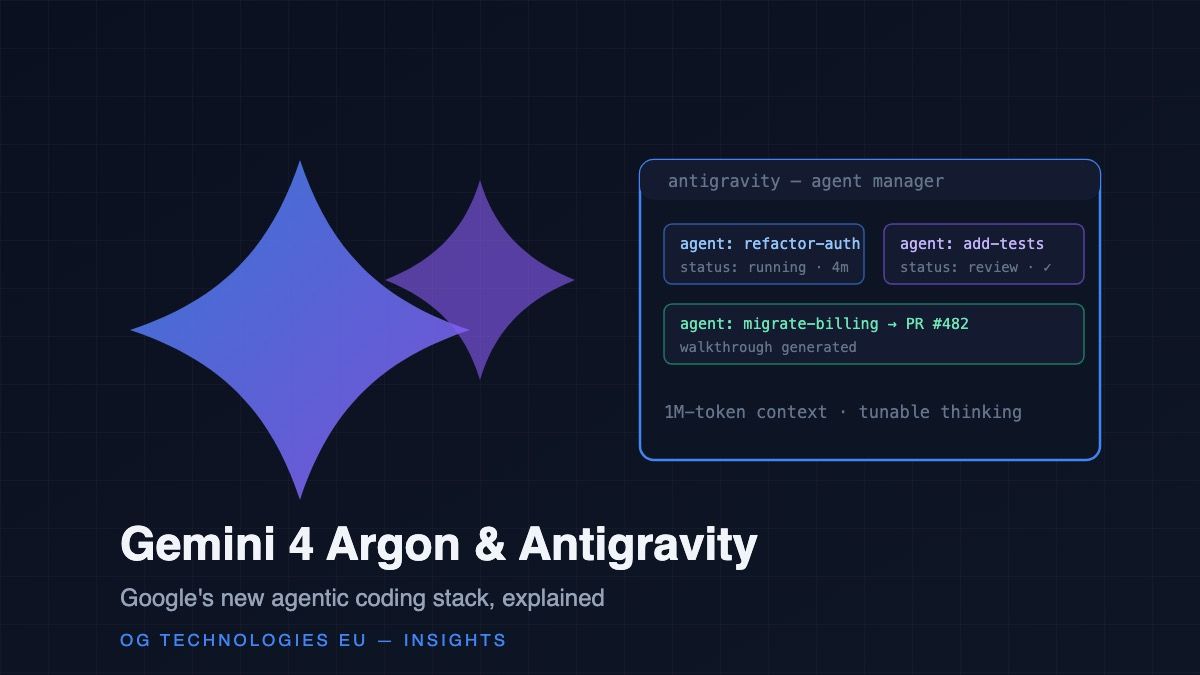
On October 13, 2026, Google made Gemini 4 Argon generally available — its newest frontier model, built explicitly for "depth and precision across multi-step tasks" in coding, finance, legal, cybersecurity, and science. It debuted at #1 on the Vals Index, which measures model performance across economically significant sectors, and it arrives paired with Antigravity, Google's agent-first development environment.
The two launches are really one product strategy: a frontier model tuned for long-horizon agentic work, delivered through an IDE designed around managing agents rather than editing files. Here's what each half does — and where the stack fits against Claude Code and autonomous engineers like Devin.
Gemini 4 Argon: The Model
- Unified 1M-token context window with long-decode output up to 1M tokens — built for whole-repository reasoning and long agent transcripts.
- Tunable thinking levels (low/medium/high) — trade latency and cost against reasoning depth per request, the same two-axis tuning as tiered model families.
- Agentic orientation: Google reports Argon driving a 35%+ increase in agentic code submissions inside Antigravity during internal use, with strengths in large codebase refactoring and multi-step engineering tasks.
- Pricing: introductory $2/$10 per million input/output tokens through November 30, 2026 ($4/$20 after), with cached input discounted 95% — aggressive pricing for a frontier-tier model, and a strong incentive to use context caching.
The benchmark positioning matters less than the design center: Argon is optimized for sustained reasoning — staying coherent across the dozens of steps a real engineering task takes — rather than single-shot brilliance.
Antigravity: The Agent-First IDE
Antigravity (Google's development environment, available to Google AI Ultra subscribers) flips the IDE metaphor: the primary surface is an agent manager, not a file tree. You dispatch agents — "refactor the auth module," "add tests for the billing service" — monitor their progress in parallel, and review their output through generated walkthroughs: structured summaries of what changed, why, and what to verify.
This is the same ticket-to-PR philosophy as autonomous engineers, but pulled into the interactive IDE surface: you stay in the loop during execution rather than handing work off fully asynchronously. Agents work in the editor, terminal, and browser; you can interleave your own edits and theirs.
Where the Stack Fits
- vs. Claude Code: Claude Code is terminal-native and orchestration-first (subagents, MCP, hooks). Antigravity is GUI-native and manager-first. Both target supervised agentic work; the choice often comes down to which interface your team prefers and which model wins your evals.
- vs. autonomous engineers (Devin): fully async tools take the whole ticket and return a PR. Antigravity keeps you interactive — better for exploratory work where requirements emerge mid-task; async agents win for queued, well-specified backlogs.
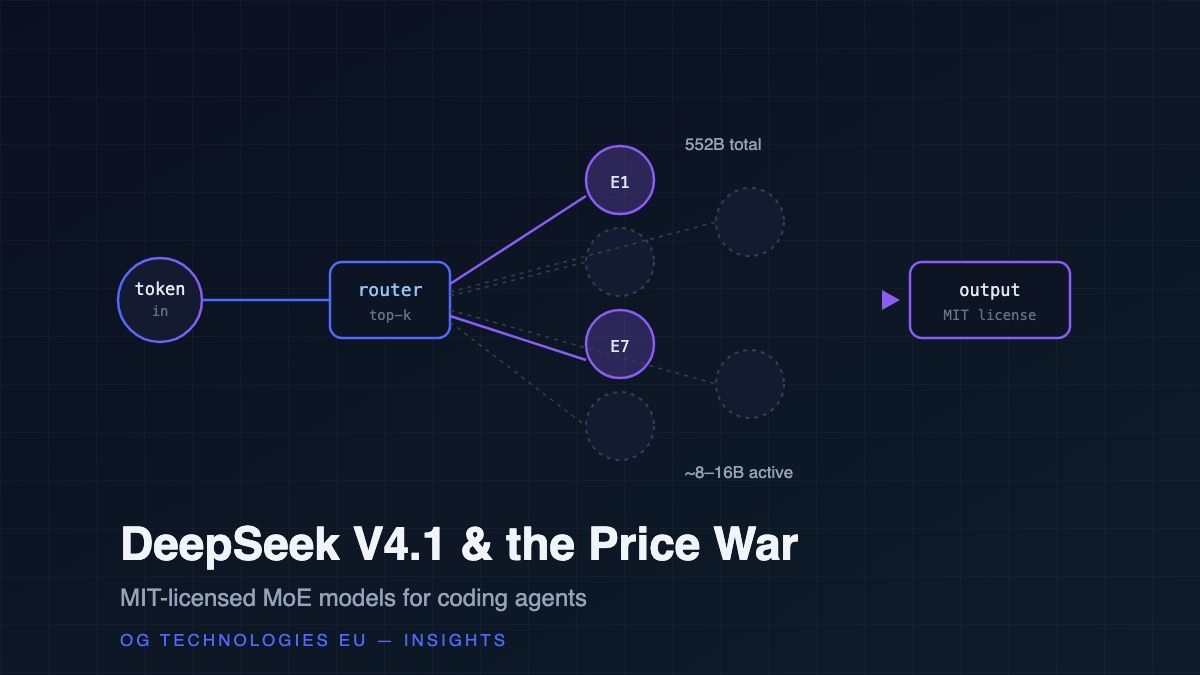
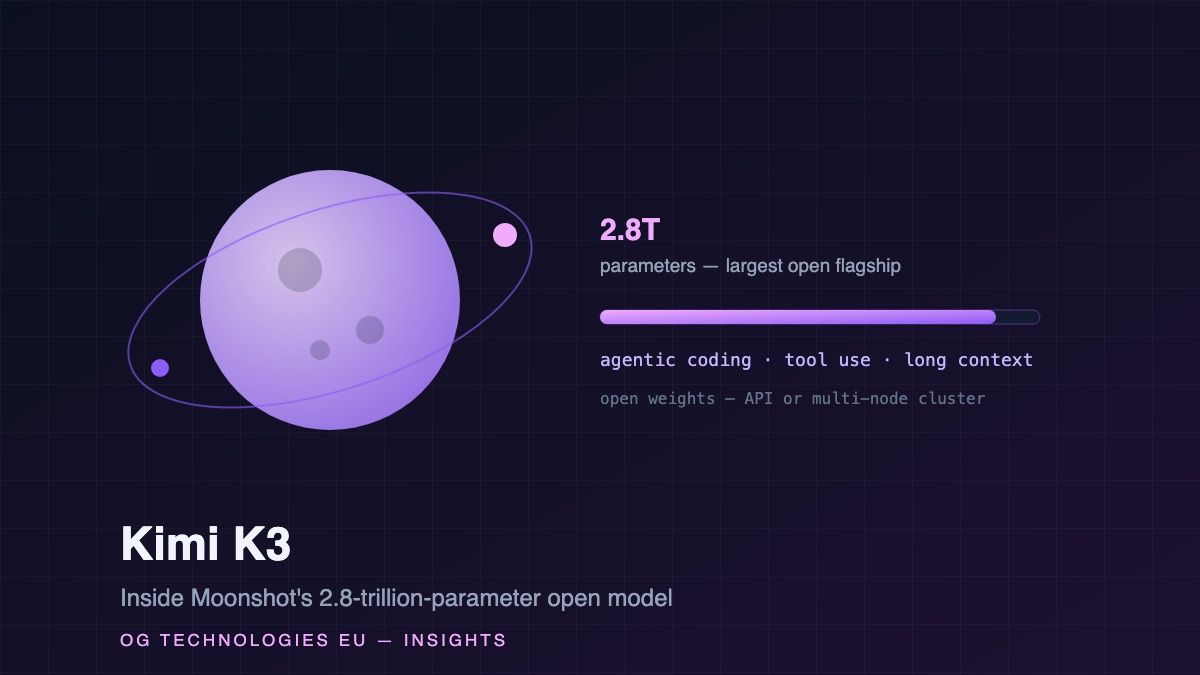
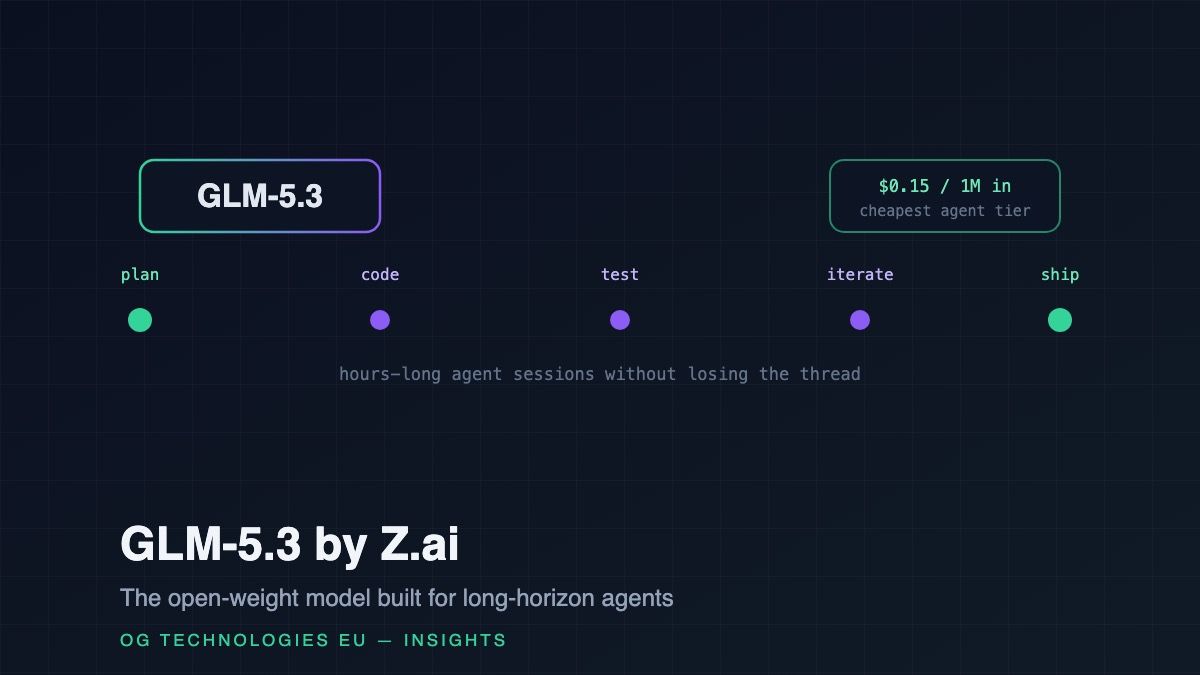
- vs. open-weight agents: GLM, DeepSeek, and Kimi power cheaper agent loops at lower capability ceilings — the usual tiering trade-off. Argon competes for the frontier end.
The 1M Context Question
A million-token window changes agent design meaningfully: whole repositories, full specifications, and complete test suites fit in one context — no retrieval layer required for many codebases. Combined with the 95% cache discount, re-prompting over a stable codebase gets cheap. The caveat holds as always: long context is a complement to retrieval, not a replacement — for corpus-scale questions, RAG still wins on cost and attribution.
Enterprise Considerations
- Access paths: the Gemini API via AI Studio for developers, Workspace/GCP surfaces for enterprises, and Antigravity for the agentic IDE experience.
- Introductory pricing expires November 30, 2026 — model your steady-state costs at the $4/$20 rate, not the launch rate.
- Governance: another frontier model in your stack means another entry in the AI inventory — record use cases, data flows, and the evaluation that justified adoption. Our ISO/IEC 42001 guide covers the framework; the AI Readiness Assessment gives you the baseline.
Frequently Asked Questions
Is Gemini 4 Argon available now?
Yes — generally available since October 13, 2026 via the Gemini API and AI Studio, and inside Antigravity for Google AI Ultra subscribers.
What makes Antigravity different from other AI IDEs?
Its primary surface is an agent manager: you dispatch and supervise multiple parallel agents and review structured walkthroughs of their work, rather than editing files with an assistant at your cursor. It's designed around orchestration first, editing second.
Should we switch from our current agentic stack?
Evaluate on your own codebase before deciding — run a fixed task suite through both stacks and compare acceptance rate, cost, and review effort. The introductory pricing makes a real pilot cheap right now.
How does the 1M context window affect cost?
Large contexts are expensive per call but cheap when cached — the 95% cache discount rewards keeping a stable prefix (your codebase, your conventions) and varying only the task. Design prompts to maximize cache hits.